Why Japan Has No Trash Cans (and What Locals Really Think About It)
Japan Logic — country-wide honne. Data collected 2026-08-20.
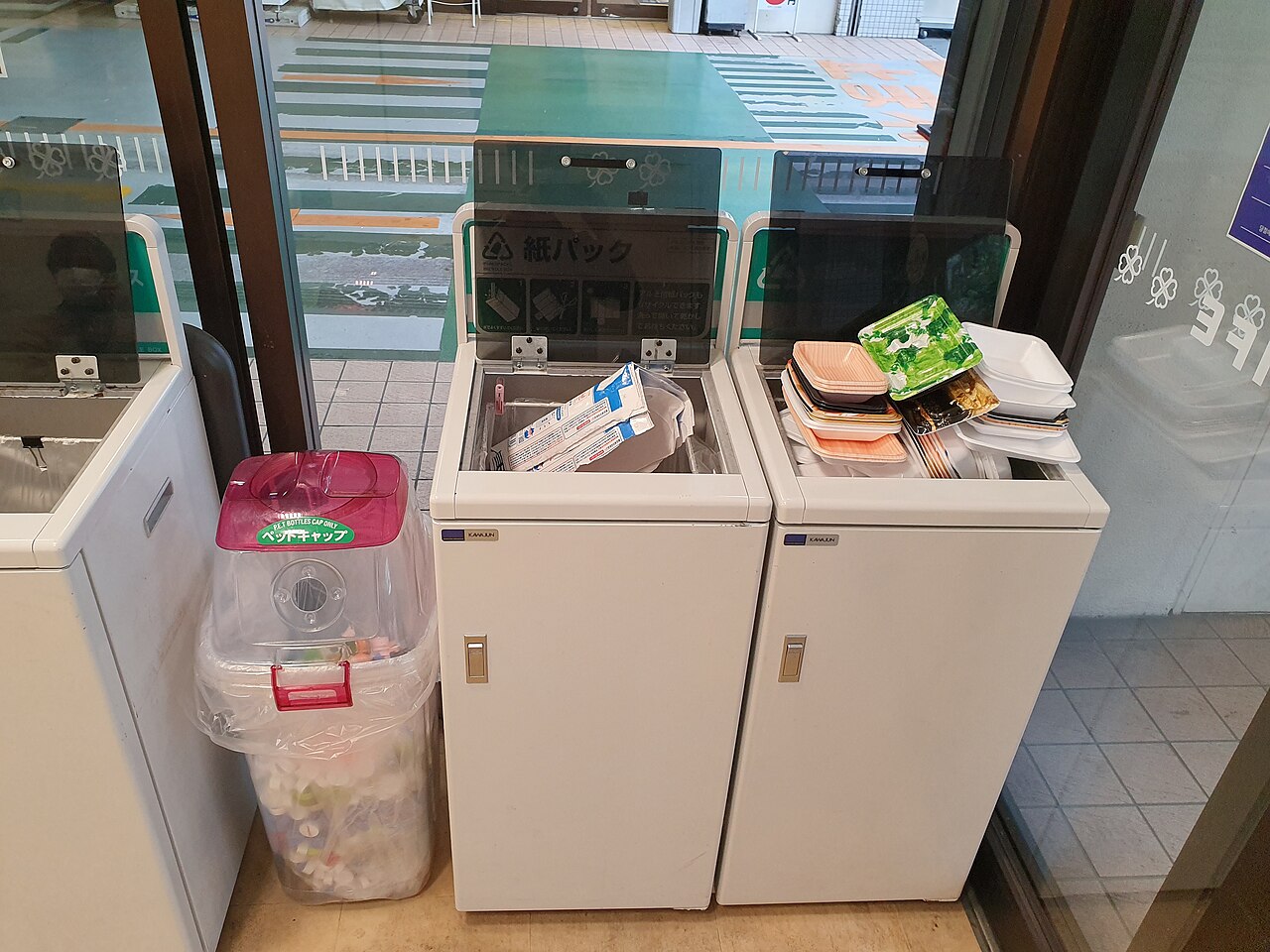
🧩 THE PUZZLE
The cleanest big country you've ever visited — and nowhere to throw anything away. You'll walk kilometers in Tokyo holding an empty bottle. It feels like a prank. It isn't.
🗣️ THE HONNE — what locals actually say
Here's what most etiquette guides won't tell you: Japanese people argue about this among themselves. Sampled from public Japanese posts on X:
| Camp | What it sounds like |
|---|---|
| "Carry it home" traditionalists | "A tourist asked me where to throw his cup. There isn't one. You carry it back and use the bin in your hotel room. That's how it works." |
| The critics (yes, locals!) | "Osaka has bins. Sapporo has bins. Tokyo is the weird one — foreign visitors must think it's a bizarrely unfriendly city." / "You can't blame tourists for this one." |
| The pragmatists | "We let tourists eat street food and give them nowhere to put the wrapper — of course there's litter." |
| Quiet respect | One post admiringly described a tourist rolling a suitcase with a ziplock bag full of banana peels in hand. That tourist understood Japan. |
Methodology: posts targeting nationalities rather than behaviors were excluded.
🤔 THE WHY — how it got this way
Two forces, one date. March 20, 1995: the Aum Shinrikyo cult released sarin gas on the Tokyo subway. Trash cans — a potential hiding place for devices — were removed from stations across the Tokyo area (Yahoo! News expert analysis, Traffic News). Tokyo Metro restored some in 1997 — half the number, placed within staff sightlines — then switched to transparent bins after the 2004 Madrid train bombings (Merkmal).
Security started it; economics and culture kept it. Emptying public bins costs money, and Japan already had a deep norm: your trash is your responsibility until you get it home. Schoolchildren clean their own classrooms; hikers pack out their wrappers. The missing bin isn't neglect — it's a social contract you've just been invited into.
✅ THE MOVE — do this instead
- Pack one plastic bag per day. This single item upgrades your entire Japan trip. Trash goes in the bag; the bag goes back to your hotel bin. This isn't just folk custom, by the way — the Japan Tourism Agency's official traveler guidelines say it in as many words: "If there is no trash bin, take your garbage with you" (JTA, "Travel Etiquette for the Future").
- Konbini bins are for konbini customers. Bought a coffee there? The bin is yours. Carrying in a bag of unrelated trash is a known pet peeve of staff.
- Vending machine recycle boxes take bottles and cans only — from that machine, ideally. Not your bento box.
- Eat where you bought it. Street-food stalls expect you to stand nearby and hand the container back. That's why locals aren't walking and eating.
- Know the regional difference: Osaka and Sapporo are noticeably more bin-friendly than Tokyo. Adjust expectations by city, not by country.
Sources: Japan Tourism Agency — Travel Etiquette for the Future · Yahoo! News (dragoner) · Traffic News · Merkmal · Local voices: public X posts via Yahoo! Realtime Search, 2026-08-20. Last updated 2026-08-21.
Suggest the next place — or make this page better
Spotted something outdated? Know a place I should cover? Tell me below — it opens right here, no account needed. Every report is verified before publishing.