The Konbini Toilet: Free to Use — But There's an Unwritten Price
Japan Logic — country-wide honne. Data collected 2026-08-20.
🧩 THE PUZZLE
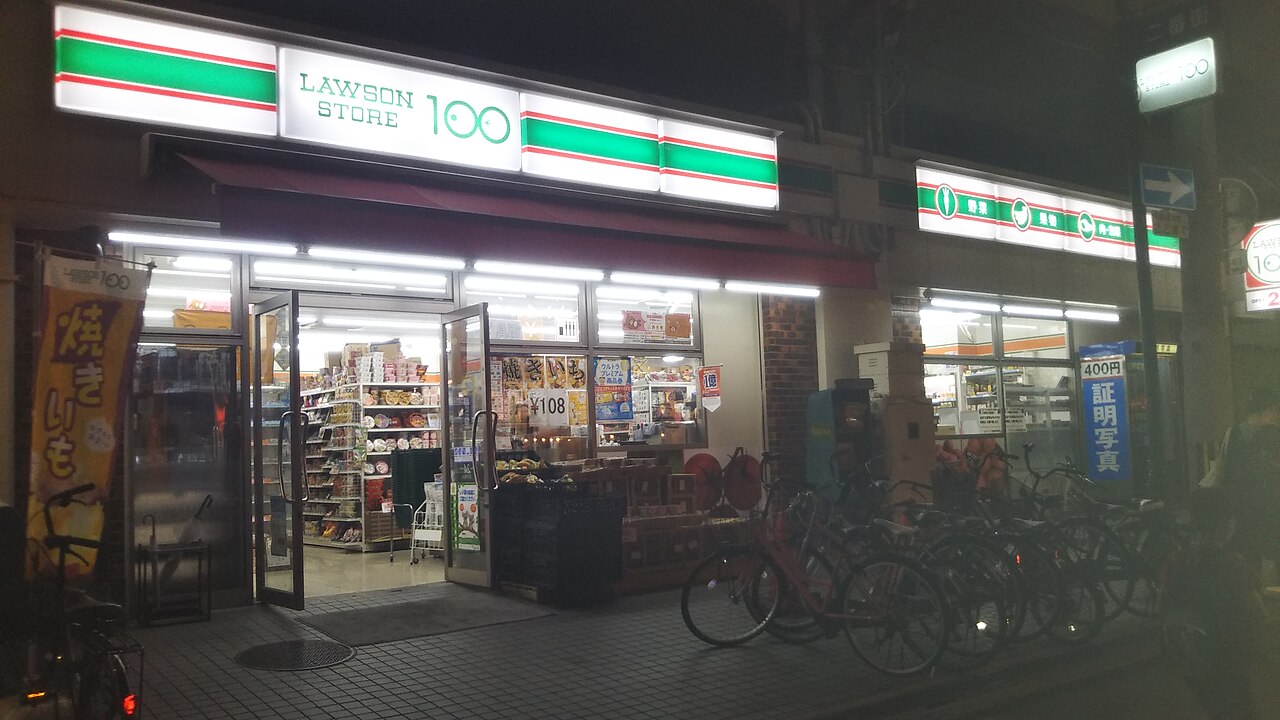
Convenience stores everywhere in Japan let you use a clean toilet, free, no questions asked. Is it really free? Officially, yes. Actually… this is the single best example of tatemae and honne you'll encounter as a tourist.
🗣️ THE HONNE — what locals actually say
The tatemae: Seven-Eleven's headquarters states publicly that toilets are "a service to the community" and using one without buying anything "is not in itself a problem."
The honne, sampled from public Japanese posts on X:
| Voice | What it sounds like |
|---|---|
| A former store manager | "We have zero obligation to lend the toilet. It's really for staff — we open it because closing it drives customers away. If you borrow it, at least buy a bento." |
| The unwritten rule, stated plainly | "When I borrow a konbini toilet I always buy one item. What does everyone else buy?" — asked as casually as you'd ask about umbrella etiquette. It's simply what one does. |
| The strain behind the smile | Stores report toilet-paper theft, vandalism, and maintenance running tens of thousands of yen per month. Stores in nightlife districts increasingly lock their toilets entirely. |
| How loaded it's become | In 2026, a store-owner couple was arrested after aggressively demanding a purchase from a toilet user — and online sympathy ran heavily toward the owners: "Just buy something. The toilet isn't free to maintain." |
Methodology: posts targeting nationalities rather than behaviors were excluded.
🤔 THE WHY — how it got this way
Seven-Eleven built toilets into stores from its 1970s beginnings, but the modern norm dates to 1997, when Lawson declared its "Toilet Open" policy — opening staff toilets to the public nationwide as a customer-drawing service (ENCOUNT). It worked so well that konbini toilets became de-facto public infrastructure: Japan has relatively few public toilets, and 55,000+ konbini quietly fill the gap. Lawson alone goes through some 10 million rolls of toilet paper a year (nippon.com); some municipalities now formally discuss designating konbini toilets as public facilities (Tokyo Shimbun).
The origin is the point: the toilet was never a public right — it's a gift from a business hoping you'll become a customer. Japanese users repay the gift with a ¥150 purchase. That's the whole transaction, and it's invisible unless someone tells you.
✅ THE MOVE — do this instead
- Ask first: "Toire ii desu ka?" (toy-reh ee dess-ka — "May I use the toilet?"). Some toilets need staff to unlock them.
- Buy one small thing. A coffee, an onigiri, a bottle of tea — ¥150 settles the unwritten bill and marks you as someone who gets it.
- Leave it the way you found it. The next user should not be able to tell you were there.
- See a "no toilet" sign in a nightlife district? That's the scar tissue. Don't argue; find a station or department store.
- Best free alternatives: train stations, department stores (usually excellent), and large parks.
Sources: nippon.com · ENCOUNT (Lawson's view) · Tokyo Shimbun · Bengoshi JP News · Local voices: public X posts via Yahoo! Realtime Search, 2026-08-20. Last updated 2026-08-20.
Suggest the next place — or make this page better
Spotted something outdated? Know a place I should cover? Tell me below — it opens right here, no account needed. Every report is verified before publishing.